

Discover Garnier vitamin C skincare products
Discover Garnier vitamin C skincare products
VITAMIN C FOR SKIN
Vitamin C skincare boosts and brightens all skin types. Highly compatible with other formulas, learn how to use vitamin C for skin and the right products for your routine.
What does vitamin C do for the skin?
Topical vitamin C is a science-backed and dermatologically loved ingredient that can help improve the appearance of wrinkles, dark spots, and signs of acne as well as sun damage.
1. Vitamin C targets free radicals
Vitamin C is an antioxidant – which means that it can prevent oxidative stress in cells. Oxidative stress occurs through environmental stressors and creates ‘free radicals’ – otherwise known as unstable molecules. When free radicals are present, loss of elasticity, discolouration and wrinkles in skin can occur.
Luckily, the antioxidants in vitamin C skincare neutralise and disarm free radicals, preventing them from compromising complexions. Free radicals usually form as a result of UV rays, diet and lifestyle choices. Incorporating vitamin C skincare products can help to protect skin from these influences.
2. Keep skin looking young with Vitamin C
Cumulative environmental exposure is one major cause of damaged and visibly aged skin. Free radicals encourage signs like fine lines and sagging, because they diminish collagen content within the skin. Skin is especially at risk of free radicals in Australia as the UV index tends to be higher. This is because Australia is close to the equator and often has clear, blue skies, particularly in the summer months. Using vitamin C for skin helps to address this stressor.
One of the most effective anti-ageing products, vitamin C skincare can support collagen production and skin’s volume for a fuller, brighter, and more radiant looking complexion.
3. Improve the skin’s complexion with vitamin C
Vitamin C has inherent skin smoothing and evening characteristics for a brighter, more luminous looking complexion. If you experience dulled skin, vitamin C products can support a healthy looking and even skin tone.
This same skin brightening quality can also help to fade dark spots on the skin. Dark spots, hyperpigmentation and discolouration can all be improved by the melanin inhibiting properties of vitamin C for a more even and smooth skin tone.

What are the different types of Vitamin C?
Types of vitamin C skincare include pure vitamin C or L-ascorbic acid, ascorbyl palmitate, tetrahexyldecyl ascorbate and vitamin Cg. These different versions have varying levels of potency.
Pure Vitamin C: Otherwise known as L-ascorbic acid, this vitamin C skincare version is highly potent and refined. The antioxidant and brightening benefits of it make this an ideal skincare ingredient.
Ascorbyl palmitate: Ideal for use in moisturisers and other rich formulas, Ascorbyl palmitate is a fat-soluble version of vitamin C. Using vitamin C skincare products which contain this form still offers antioxidative benefits.
Tetrahexyldecyl ascorbate: Perfect for use by those with sensitive or especially dry skin, this version can enhance skin by penetrating deeply, which helps to maintain comfort. Because of its potency, vitamin C products with this form should be used as directed.
Vitamin Cg: Vitamin Cg, also known as ascorbyl glucoside, is a water-soluable vitamin C derivative that can be formulated alongside ingredients which prompt it to convert into vitamin C. In this form, vitamin C can be gentler on skin.
Do I need vitamin C in my skincare?
All skin types and tones can benefit by using vitamin C for skin. Alongside daily use of sun protection, vitamin C products can visibly enhance skin of any age and type.
When should you apply vitamin C?
We all have varying skin needs and routines, but as a general rule, we recommend incorporating vitamin C products into your skincare regime every – or every other – morning. Morning use can be especially beneficial, as the antioxidant helps provide the skin with antioxidant protection to shield from stressors like pollution and UV light.
Does vitamin C have any side effects on the skin?
Vitamin C is a potent and efficacious ingredient, but it’s generally suitable for use by all skin types – including sensitive. Because of its active nature, it’s best to gradually introduce it into your skincare routine if your skin can tend to be reactive.
What order to apply vitamin C in a skincare routine?
Where vitamin C products sit in your skincare routine will depend on the formula. The general rule in routines is lightest to thickest – so as to let each formula absorb into skin. A vitamin C serum will go directly after cleansing for example – and a vitamin C cream will be applied next before sun protection.
Find the right vitamin C products to implement in your skincare routine
Vitamin C cleanser
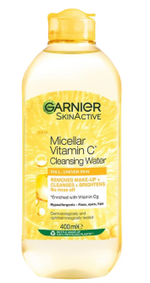
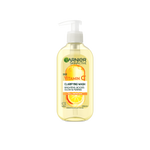
Vitamin C’s brightening benefits are an ideal addition to cleansers. Cleansers which contain this ingredient assist in purifying fresh skin, for a clean, brighter complexion. Micellar Vitamin C Cleansing Water is enriched with vitamin Cg and is gentle enough for use on sensitive skin.
Vitamin C serum
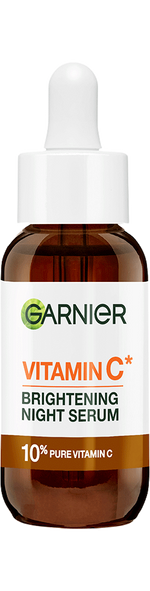
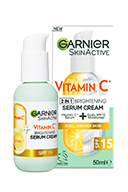
Serums are highly effective for delivering actives into the skin, and the inclusion of vitamin C can visibly improve and support all complexions. How much vitamin C serum to use will depend on the formula you use alongside your skin type. Skin Active Vitamin C Brightening Serum combines niacinamide and salicylic acid to target dark spots and discolouration. Skin immediately looks smoother and more radiant, and over time beautifully enhanced skin becomes apparent. In 3 days, skin appears more even, brighter and smoother. In 6 days, the density of dark spots appears reduced. In 8 weeks, -43% of dark spot and acne mark appearance is visibly reduced.
Vitamin C face cream
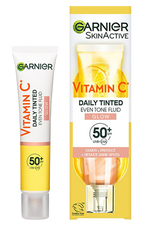
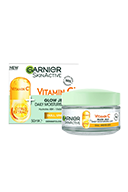
For moisturised skin that glows from within, vitamin C products like face creams can be added to routines. The antioxidant benefits work to illuminate complexions while skin is hydrated. For the benefits of foundation and the support of skincare, BB Cream Even Tone Medium SPF 50 provides light tinted coverage enriched with vitamin C.
Vitamin C sheet mask
To address fatigued, dulled or dehydrated skin, vitamin C enriched sheet masks can be used both morning and night. For a quick infusion that boosts skin’s radiance and glow, keep sheet masks with vitamin C handy. The Hydra Bomb Vitamin C* Brightening & Hydrating Sheet Mask contains Vitamin Cg and visibly brightens and hydrates your skin in just 15 minutes!
How to Use Vitamin C for Beginners
Discover the perfect application of vitamin C skincare products.

1. Determine the suitable concentration
The higher the concentration, the stronger your vitamin C skincare will be. Stronger formulas may sound better in theory, but suitability really does depend on your skin type. For those with sensitive skin, gentle forms of vitamin C with lower concentrations will boost radiance while supporting skin comfort.
2. Pay attention to pH
Most versions of vitamin C – but especially pure vitamin C – need low pH formulations to properly penetrate skin. Avoid layering vitamin C with other low pH skincare formulas like chemical exfoliants and retinol, and alternate use morning and night instead.


3. Start slowly
As with any efficacious new product, skin needs time to adjust. When adding vitamin C products to your routine, start slowly and build up. This helps support skin barrier strength and comfort while routine changes are made especially with active ingredients.
4. Store safely avoiding the sun
Vitamin C is photosensitive. This means that exposure to sunlight can degrade the products quality and efficacy. To protect your vitamin C skincare and benefit from it until finished, store formulas in a cool, dry and dark place. Bathroom cabinets that are protected from heat and steam are ideal.


5. Always layer with SPF
Even the most antioxidative formulas can’t benefit skin without daily use of SPF. When using vitamin C for skin (and at all other times!), support your routine by applying broad spectrum sunscreen as your final step. Doing so will help your skin retain radiance and youthfulness for the long-term.

More tips and guides on vitamin C for skin
Skin Care


We recommend applying vitamin C serum daily to maximise your intake of antioxidants and skin-brightening benefits. However, if your skin is on the sensitive side, consider using vitamin C every other day or even a few times a week. As your skin’s tolerance increases, you can increase to daily use.
The optimal concentration of vitamin C for skin is up to 20 percent. Vitamin C beginners can opt for a 10 percent or lower concentration formulation, while long-time users can build up to a higher concentration. Using vitamin C with a strength above 20 percent isn’t necessary to see benefits and may cause discomfort.
Applying your serum in the morning ensures that you optimise vitamin C benefits for skin. Vitamin C serum should be applied as the first step after cleansing (onto dry skin) alongside your daily SPF. This way, your vitamin C will work in tandem with your sunscreen to fight free radicals and prevent premature signs of ageing while you go about your day.
Yes, vitamin C is renowned for its skin-brightening abilities. Inhibiting melanin production is how vitamin C serum helps skin tone stay unified. Pollution and UV radiation are big contributors of dull skin and hyperpigmentation, but vitamin C’s antioxidant capabilities work to prevent free radicals from damaging skin cells.
Start by applying your vitamin C on alternate days and monitor for any signs of discomfort. If your skin tolerates the vitamin C you can introduce it into your daily skincare routine. Depending on the formulation you’re using, vitamin C benefits for skin can be immediate or gradual. It may take up to three months of consistent use for maximum visible results – so stick with it!
It’s best to allow a vitamin C product to absorb into skin before following with next steps. We recommend waiting a minute or two to allow it to sink in. Don’t forget to follow up with sunscreen before you start your day.
Vitamin C isn’t magic – but with regular use, it can continuously brighten skin and maintain a more luminous skin tone. Vitamin C helps prevent the synthesis of melanin to lighten dark spots over time and even out skin tone overall.
Vitamin C is generally well tolerated – which is good news for sensitive skin types. If you’re concerned about which products you should use for sensitive skin, opt for a lower concentration vitamin C of 10 percent or less and introduce the ingredient slowly and gradually.
Though uncommon, it’s possible that that vitamin C won’t agree with your skin right away. Some side effects are:
If you do notice signs of sensitivity, consider lowering your vitamin C concentration or spacing out usage.
No, quite the opposite – vitamin C’s antioxidant capabilities make it the perfect accompaniment to daily sun protection. Pair vitamin C with sunscreen to fortify your skin’s protection against free radicals.
You can find Garnier’s vitamin C range in-store now at Amazon, Chemist Warehouse, Woolworths, Coles, Priceline and more. Use our store locator to find your closest Garnier stockist and look for our vibrant yellow vitamin C range packaging – you can’t miss it!